

Finding Your Way: A Guide for Trans and Non-Binary Young People and Their Families
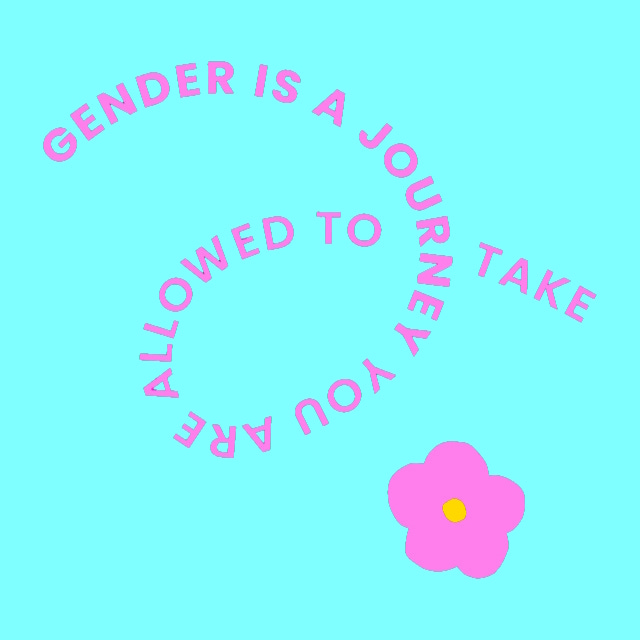
Introduction: You’re Not Alone
If you’re reading this, something significant is happening. Maybe you’re a young person who’s begun to realise that your gender identity doesn’t match what was assumed at birth. Perhaps you’re a parent whose young adult has just come out to you. Maybe you’re a sibling trying to understand what your brother, sister is going through.
Whatever brought you here: you’re not alone, and there’s nothing wrong.
Discovering or supporting someone’s trans or non-binary identity can feel overwhelming. There might be fear, confusion, relief, grief, hope, sometimes all at once. That’s completely normal. This journey asks something profound of everyone involved: the courage to see clearly, to learn, to adapt, and to love through uncertainty.
Here’s what this guide offers:
Part One speaks to families (parents and siblings) who want to show up with love and support
Part Two speaks directly to young people exploring their gender identity
Part Three provides practical resources, organisations, and next steps
This isn’t a checklist or a prescription. Every person’s journey with gender is unique. Some people transition socially, some medically, some not at all. Some know immediately, others take years to understand themselves. All of these paths are valid.
What matters most: authenticity, safety, support, and the knowledge that gender diversity is a natural part of human experience. Thousands of people, young & old, and their families across the UK are navigating this right now. You’re part of a community, even if you can’t see it yet.
Take your time with this guide. Read what feels relevant now, and return to the rest later. Share sections with family members if it helps. Most importantly: be gentle with yourself and each other.
Let’s begin.
Part One: For Families Who Want to Support
The Heart of It All:
You already love them, that’s why you’re here. The single most important thing you can do is make sure they know it, clearly and repeatedly: “I love you. I’m here. I want to understand. We’ll work this out together.” Keep showing up with that message, and everything else becomes possible.
1. What’s Really Happening Here (And What It Means)
When someone you love tells you they’re trans, non-binary, or questioning their gender, they’re sharing something they’ve likely been carrying for a long time. This isn’t impulsive or attention-seeking. This is them trusting you with a truth about who they are.
Gender identity is a person’s internal sense of their own gender. It might be male, female, both, neither, or something else entirely. This is different from biological sex (what’s on a birth certificate) and from gender expression (how someone dresses or presents). According to YoungMinds, gender identity is how a person describes themselves, which may differ from the sex assigned at birth.
For many trans and non-binary people, there’s a disconnect (sometimes small, sometimes overwhelming) between how the world sees them and how they know themselves to be. This discomfort or distress is called gender dysphoria.
Here’s the vital truth: Your loved one hasn’t changed. They’re becoming more themselves. The person you’ve loved is still here. You’re just learning to see them more accurately.
Your feelings matter too. You might feel grief for assumptions about their future, or about the person you thought you knew. Fear might creep in about their safety, medical decisions, or how society will treat them. Confusion is natural when you’re trying to understand what this means and what happens next. Some parents carry guilt, wondering if they somehow caused this. Others feel relief, especially if they’d sensed something was different and now understand why. All of these responses are normal and human. Having these feelings doesn’t make you unsupportive. What matters is not letting those feelings prevent you from showing love and acceptance.
Important: You didn’t cause this. Nothing you did or didn’t do made your loved one trans. Gender identity is an intrinsic part of who someone is.
2. Create Safety First (Everything Else Follows)
The foundation of support is simple but profound: make sure your loved one knows they’re safe with you.
Research shows that explicit support (saying “I want to support you and accept you”) helps young people feel safer. Don’t assume they know. Say it out loud, clearly and often.
Use their name and pronouns. If they’ve asked you to use a new name or different pronouns (he/him, she/her, they/them, or others), do your best. You will mess up. Everyone does. When you do, correct yourself briefly (”Sorry, she went to the shop”), move on without making it a big moment, and don’t over-apologise or make them comfort you. Keep practising. It gets easier.
Listen more than you speak. Ask open questions: “How long have you been feeling this way?” “What would be most helpful from me right now?” “Is there anything you want me to know or understand?” Then listen. Really listen. Don’t rush to fix, question, or problem-solve. Just hear them.
Respect their autonomy. They might want to change their name immediately, or wait months. They might want to tell everyone, or just a few people. This is their journey to lead. Your role is to support their decisions, not direct them.
Make home a refuge. If the outside world is difficult (and it often is), home needs to be where they can breathe. This might mean creating a space where they can experiment with clothing, makeup, or appearance. It means offering privacy to process their feelings. It means regular check-ins (”How are you doing with everything?”) balanced with family time that feels normal, not consumed by gender talk.
3. The Power of Small Actions (They’re Not Small to Them)
Grand gestures are lovely, but it’s the daily, quiet acts of affirmation that build trust and safety.
Think about introducing them with their chosen name to a stranger. Correcting someone else who misgenders them (when appropriate). Buying them clothing that fits their identity. Updating their name on a birthday card. Not making jokes about their gender or transition. Defending them when they’re not in the room. These moments accumulate. They tell your loved one, again and again: I see you. I respect who you are. You matter to me.
Equally important is knowing what to avoid. Try not to compare them to who they “used to be” or share their trans identity without permission (”Have you heard about Sarah? She’s actually...”). Avoid asking invasive questions about their body or medical plans, and resist using their journey to gain sympathy or attention for yourself. Don’t make promises you can’t keep, like “Everything will be fine” or “No one will treat you badly.”
Instead, be honest: “I don’t know what the future holds, but I’ll be beside you for all of it.”
4. Educate Yourself (Gently and Consistently)
You don’t need to become an expert overnight, but showing you’re willing to learn means everything.
Start with the basics. Non-binary means a gender identity that is not exclusively male or female. Social transition means changing name, pronouns, clothing, or presentation, with no medical steps involved. Medical transition can include hormone therapy or surgery, but not all trans people pursue this. Organisations like Mermaids UK provide a families section tailored to parents supporting trans people.
Build good learning habits. Read articles and guides like this one. Watch documentaries or talks by trans people. Join parent support groups (see the Resources section). Follow trans advocates online. The goal isn’t to know everything, but to show you care enough to try.
Important: Don’t expect your loved one to be your teacher. They’re dealing with enough. Do your own homework, then come back with informed questions if needed.
A note on detransition: Some people who transition may later stop living as trans, though this affects a small percentage and isn’t always due to regret. If you’re worried about this, remember: exploration is healthy. Supporting your loved one now doesn’t lock them into anything permanent. Most early steps (social transition) are completely reversible.
5. Protect Their Mental Health and Well-being
Trans and non-binary young people face higher mental health risks, including anxiety, isolation, low mood, and self-harm, particularly when their gender identity isn’t affirmed. Your support isn’t just nice. It’s protective.
Watch for warning signs. Notice if they withdraw from activities they used to enjoy. Pay attention to increased irritability, sadness, or anxiety. Be aware of changes in sleep or appetite, and take any talk of hopelessness or self-harm seriously.
What helps? Regular, low-pressure conversations: “I’m here if you want to talk.” Encouraging connection with supportive friends. Professional support if needed (counsellors who specialise in LGBTQ+ issues). Celebrating small wins: first day using their name at work, positive reactions from friends.
If there’s a crisis: If your loved one expresses suicidal thoughts or engages in self-harm, take it seriously. Contact your GP, call a crisis line (see Resources), or go to A&E. YoungMinds provides specific guidance on gender identity and mental health for young people.
Remember: The biggest protective factor for trans young people is family acceptance. You have more power to help than you might realise.
6. For Siblings: Your Role Matters More Than You Think
If you’re a sibling, your support carries unique weight. You share history, daily life, and often a future together.
Start with the basics. Ask what name and pronouns they prefer: “What would you like me to call you?” Use them consistently, especially when they’re not around. Correct yourself when you slip up, then move on.
Stand with them when it counts. If someone misgenders them, politely correct them: “Actually, they use he/him pronouns.” Include them in social plans and activities. Defend them if they face bullying or exclusion. Don’t tolerate transphobic comments from friends. Speak up or walk away.
Look after yourself too. It’s okay to feel confused, worried, or even a bit displaced. Talk to a trusted adult or friend if you need to process your feelings. Remember: your sibling is still your sibling. Shared memories and bonds don’t disappear.
Your relationship can deepen. Many siblings report feeling closer after a brother or sister comes out, because honesty and vulnerability strengthen connection.
7. Navigating Decisions Together (Without Taking Over)
You might wonder: What about hormones? Surgery? Changing documents? What if they change their mind?
First principle: This is their journey to lead. Your role is to help them access information, support them in making informed decisions, advocate when they need you, and step back when they don’t.
Most young people start with social transition. They begin using a new name (informally or legally), changing pronouns, adjusting clothing, hair, or presentation, and asking friends and family to use their affirmed identity. This phase involves no medical intervention and is entirely reversible. It’s also often the most affirming step: being seen and recognised as oneself.
If medical transition comes up, the options can include hormone therapy (testosterone or oestrogen, which brings physical changes aligned with gender identity) and various surgeries (top surgery, bottom surgery, facial surgery) that vary widely based on individual needs.
Here’s what matters: Medical transition involves considerations around health, fertility, cost, and NHS waiting times. NHS gender identity services currently have extremely long waiting lists (5 to 7+ years in most areas, with some clinics reporting significantly longer waits). This is a crisis affecting thousands of people across the UK. Not every trans person pursues medical transition, and that’s completely valid. Being trans isn’t defined by what medical steps someone takes.
Your job is to ask questions like “What are you hoping this will help with?” “What information do you need?” “How can I support you in this decision?” Don’t interrogate, don’t pressure. Just walk alongside.
And yes, some people do change direction. Gender exploration is a process. If your loved one tries a name and then chooses another, or pauses their transition, that’s okay. It doesn’t mean they were wrong. It means they were learning.
8. Dealing with the Outside World (Work, Family, Healthcare)
Your loved one will interact with many systems and people. Your advocacy can make a huge difference.
At work or university, ask your loved one: “Do you want me to talk to anyone, or would you rather handle it?” If they’re comfortable, help them understand their rights (most UK workplaces and universities have equality policies). Support them in requesting correct name and pronoun use.
With extended family, your loved one decides who gets told and when. You can help prepare conversations: “Here’s what Grandma might ask. How do you want me to respond?” Set boundaries when necessary: “If Uncle John won’t use her name, we won’t attend the gathering.” Remember: protecting your loved one comes before keeping peace with relatives who won’t respect them.
With healthcare, the NHS has gender identity clinics, though waiting times are extremely problematic. Resources like those from Terrence Higgins Trust list NHS clinics and referral information. Your loved one might need to request a GP referral to a Gender Identity Clinic (GIC), navigate extremely long waiting lists (currently 5 to 7+ years in most areas, though this varies significantly by clinic), consider private options if affordable, and have support at appointments if they want it.
For name changes, at 16 or over, your loved one can make an unenrolled deed poll without parental permission. This can be done for free if done independently, or through online services for around £15 to 36. At 18, they can apply for an enrolled deed poll (£50.32), which some organisations prefer, though most accept unenrolled deed polls. No medical evidence or diagnosis is required.
9. Looking After Your Own Wellbeing
Supporting a trans loved one can be emotionally demanding. You can’t pour from an empty cup.
Give yourself permission to feel complex emotions (even ones that seem contradictory). Seek support through therapy, parent groups, or trusted friends. Take breaks from “gender talk” when you need them. Grieve the assumptions you had whilst still celebrating who your loved one is.
Organisations like Mermaids offer support specifically for families, including parent groups and helplines. You don’t have to do this alone.
If you’re in a relationship, remember that partners may be at different stages of acceptance. That’s normal. Make time to check in with each other. Consider couples therapy if you’re struggling to stay aligned. Remember: you’re both trying to do what’s best for your loved one.
10. This Is a Journey of Growth for Everyone
Families evolve. The narratives you tell about your family, the expectations you held, the future you imagined... some of that will shift. That’s not loss. That’s life.
What you’re gaining is profound: a deeper relationship with your loved one, built on honesty. Growth in your own capacity for acceptance and love. Connection with a wider community. The knowledge that you showed up when it mattered.
Celebrate the milestones. The first time they use their name publicly. When you get the pronouns right all day. Their first outfit that makes them light up. A good day at work or with friends. Moments of joy and authenticity.
These aren’t trivial. These are the moments that make a life worth living.
Part Two: For You, the Young Person
What Matters Most:
You are not broken. You are not confused. You are not too young to know. What you’re feeling is real, and you deserve to explore it with support, time, and kindness, especially from yourself.
1. Your Feelings Are Real and They Matter
You might be asking yourself: “Am I really trans, or is this just a phase?” “What if I’m wrong?” “Why can’t I just be normal?”
Here’s the truth: questioning your gender doesn’t mean you’re confused. It means you’re paying attention to yourself. That’s actually quite brave.
Your gender identity (how you feel inside, how you understand yourself) is as valid as anyone else’s. You don’t need anyone’s permission to explore it. You don’t need to prove anything. Organisations like Mermaids offer safe spaces specifically for transgender, non-binary and gender-diverse young people.
Some people know immediately. Others take years. Both are normal. There’s no deadline, no test to pass, no minimum threshold of “trans enough.”
You don’t need to have all the answers right now. Labels are tools. They should help you, not box you in. If “non-binary” feels right today and something else fits better next year, that’s okay. Your identity can evolve.
2. Take Your Time (Seriously, There’s No Rush)
The world might make you feel like you need to decide everything now: name, pronouns, medical steps, who to tell. You don’t.
Give yourself permission to explore privately before coming out publicly. Try different names or pronouns with close friends first. Sit with uncertainty. Change your mind. Move at your own pace.
Some people dive in. Others wade in slowly. Neither is better. What matters is what feels right for you.
A note on pressure: You might feel pressure from trans communities to transition “properly” or quickly. You might feel pressure from questioning family to be sure. Ignore both. This is your journey, your timeline, your life.
3. Small Steps Can Change Everything
You don’t need to overhaul your entire life today. Sometimes the smallest changes unlock the biggest relief.
If you’re at home and it’s safe, try different clothing in your room. Experiment with makeup or hairstyling. Use your chosen name in a journal or online. Notice how different presentations make you feel. These private experiments can be incredibly revealing.
With trusted friends, you might ask them to use a different name or pronouns. Go shopping together for affirming clothes. Talk about what you’re discovering. See how it feels to be seen as yourself. These small social experiments help you understand what feels right.
Online spaces can be valuable too. Join moderated LGBTQ+ spaces like Discord servers or forums. Follow trans creators who share their experiences. Ask questions anonymously. Connect with others who understand. Just be selective about which communities you engage with.
Reflection practices help as well. Keep a journal and ask yourself: “When do I feel most myself? When do I feel most uncomfortable?” Notice patterns. Do you feel dysphoria in certain situations? Relief in others? Take photos. Sometimes seeing yourself in different presentations clarifies things.
Important safety note: Only explore in ways that feel physically and emotionally safe. If your home or community isn’t accepting, protect yourself first. More on this in section 7.
4. Understanding What You Might Be Feeling
Gender dysphoria is the distress that can come from a mismatch between your gender identity and your body or how others see you. It might show up as discomfort with your body (chest, voice, facial features), distress when people use the wrong name or pronouns, feeling disconnected from your reflection, anxiety in gendered spaces like bathrooms or changing rooms, or a persistent sense that something is “wrong” or “off.”
But not everyone experiences severe dysphoria. Some trans people feel neutral about their assigned gender but feel right in their affirmed one. That’s called gender euphoria: the joy and rightness of being seen as yourself.
Both are valid. You don’t need to hate your body to be trans. You don’t need to be in crisis to deserve support.
5. Looking After Your Mental Health (This Matters More Than Anything)
Navigating gender identity whilst dealing with work, university, family, friends, and your own doubts is a lot. You need to actively take care of yourself.
Build routines that ground you. Physical activity, even just walks, helps. Creative outlets like art, music, or writing give you space to process. Time in nature offers perspective. The basics matter too: sleep, food, water. And don’t forget things that make you laugh. Joy is medicine.
Reach out when you’re struggling. If you’re experiencing anxiety, overwhelming shame, or thoughts of self-harm, support is available:
The Mix (text THEMIX to 85258) offers crisis support for under-25s
Samaritans (116 123) provides support any age, any time
Your GP can refer you to mental health services
YoungMinds has resources specifically about gender identity and mental health
If you’re having suicidal thoughts, please reach out immediately. Call 999, go to A&E, or contact one of the crisis lines above. You matter. The world needs you here.
Choose positive spaces. Spend time with friends who affirm you. Engage with online communities that feel supportive, and leave toxic ones. Do activities where you can just be yourself. Find places (physical or digital) where your gender isn’t constantly questioned.
Celebrate your wins, no matter how small. You used your real name at work or uni. Someone used your pronouns correctly. You felt comfortable in your outfit today. You had a moment of feeling fully yourself. These aren’t trivial. These are survival and joy and becoming.
6. Telling People: When, How, and Who
Coming out is deeply personal. You control your story.
Start with people you trust completely: a best friend, supportive sibling, or accepting parent. You can test the waters by sharing that you’re “questioning” before declaring a firm identity. Remember: you don’t owe anyone an explanation.
A truth many people discover: The fear of telling someone is often worse than the actual telling. You might spend weeks or months dreading a conversation, imagining the worst possible reactions, playing out disaster scenarios in your head. Then when you finally tell them, they say “Okay, thank you for trusting me” and life continues. Not every conversation will be easy, and some people will struggle. But many trans people look back and realise they carried the weight of anticipation far longer than necessary. The relief of being known, of not hiding, often outweighs the temporary discomfort of the conversation itself.
That said, this doesn’t mean you should rush. Take your time to feel ready. But if you find yourself endlessly delaying because of fear, it might help to remember: the anxiety of secrecy can be heavier than the vulnerability of honesty. And once you’ve told one person and survived it (maybe even felt lighter for it), the next conversation becomes a little easier.
When you’re ready to tell someone, you have options. You might have a direct conversation: “I need to tell you something important. I’m [trans/non-binary/questioning my gender].” You might write a letter or text: “I’ve been working out some things about my gender...” You might ask them to read resources: “Can you read this article? It explains what I’m going through.”
When you’re ready to tell someone, you have options. You might have a direct conversation: “I need to tell you something important. I’m [trans/non-binary/questioning my gender].” You might write a letter or text: “I’ve been working out some things about my gender...” You might ask them to read resources: “Can you read this article? It explains what I’m going through.”
Be clear about what you need. “Please use [name] and [pronouns] from now on.” “I need you to keep this private for now.” “I don’t have all the answers yet, but I wanted you to know.”
Expect some awkwardness. People might ask clumsy questions. They might struggle with pronouns at first. They might need time to adjust. They might react in ways you didn’t expect. That doesn’t always mean rejection. Give people a chance to learn, but also set boundaries: “I’m happy to answer some questions, but I’m not comfortable discussing [my body/my medical plans/etc.]”
When it’s not safe to come out: If your family is hostile, your community is unaccepting, or you risk homelessness or harm, protect yourself first. You can explore your identity privately and come out when you’re safer (financially independent, away at university, in your own place). Survival is not cowardice. It’s wisdom.
7. Transition: What It Means and What’s Possible
When people hear “transition,” they often think of surgery. But transition is much broader, and you get to choose what it means for you.
Social transition involves no medical steps. It means using a different name (informally or legally via deed poll), changing pronouns, adjusting how you dress, style your hair, present yourself, and asking people to see and refer to you according to your identity. For many people, this is enough. You don’t need medical intervention to be valid.
Medical transition is an option if you want it. Hormone therapy includes testosterone for transmasculine people (which deepens voice, increases body hair, redistributes fat, and stops periods) or oestrogen for transfeminine people (which softens skin, redistributes fat, and develops breast tissue, though it requires anti-androgens too). Surgery options include top surgery (chest masculinisation or breast augmentation), bottom surgery (various genital surgeries), facial feminisation or masculinisation, and voice surgery.
Here’s what you need to know: Medical transition in the UK involves health considerations, fertility questions, costs, and extremely long NHS waiting times. NHS Gender Identity Clinics currently have waiting lists of 5 to 7+ years in most areas, with some clinics reporting significantly longer waits. This is a crisis affecting thousands of people. You’ll need a GP referral to access NHS services. Private care is faster but expensive (£1,000 to £10,000+ depending on treatment). Some changes from hormones are permanent; others are reversible. You don’t have to do everything. Many people have top surgery but not bottom, or take hormones but don’t have surgery.
Being trans is not defined by medical steps. Your identity is valid whether you medically transition or not.
8. Legal Stuff: Name Changes and Documents
At 16 or over, you can make an unenrolled deed poll without parental permission. This can be done for free if you do it yourself, or through online services for around £15 to 36. At 18, you can apply for an enrolled deed poll (around £50), which some organisations prefer, though most accept unenrolled deed polls. No medical evidence or diagnosis is required.
Once you have a deed poll, you can update most documents: bank accounts, work records, and so on. Your passport and driving licence can be changed with a deed poll. Your birth certificate cannot be changed until you obtain a Gender Recognition Certificate (GRC), which requires being 18+, having lived in your gender for 2 years, and providing medical evidence. The GRC legally recognises your acquired gender and changes your birth certificate, but it’s not necessary for most practical purposes. You can live fully in your gender without it.
9. Building Your Community
You are not alone. There are thousands of trans and non-binary people across the UK. Finding your people makes everything easier.
Mermaids offers youth forums and support groups for young trans people. You might also look for local LGBTQ+ youth groups (search via LGBT Foundation), university or workplace LGBT+ societies, online communities like Discord or Reddit (stick to moderated spaces), or trans meetups and social events in your area.
Community offers people who get it without explanation. You’ll find advice from those who’ve been there. You’ll experience celebration of who you are. You’ll discover solidarity when things are hard. And crucially, you’ll build friendships that go beyond gender talk.
Remember: Not everyone’s journey will look like yours, and that’s okay. Community means diversity, not uniformity.
10. You Are More Than Your Gender
Your gender identity is significant. It’s part of who you are. But it’s not all of you.
You’re also the person who loves music, gaming, reading, or sport. The friend who makes people laugh. The person working out your future. Someone with dreams, quirks, fears, joys.
Don’t let gender consume everything. Keep doing what you love. Spend time with people who see all of you. Rest. Have fun. Live.
When you live more authentically, you often find more energy for these things, not less.
This is your life. You get to shape it. You get to decide what transition means for you, what labels fit, what pace feels right. You get to change direction. You get to rest. You get to celebrate.
You are enough, exactly as you are, and exactly as you’re becoming.
Part Three: Resources and Next Steps
If You’re in Crisis Right Now:
Samaritans: 116 123 (24/7, free)
The Mix: Text THEMIX to 85258 (under 25s)
Emergency: 999 or go to A&E
If You Need Immediate Support and Information:
Mermaids: Support for trans youth and families (webchat, helpline, email at mermaidsuk.org.uk)
LGBT Foundation: Comprehensive trans resources and helpline (lgbt.foundation/trans-resources)
For Young People: Peer Support and Community
Mermaids supports transgender, non-binary and gender-diverse young people through youth forums, webchat, helpline, and one-to-one support. Visit mermaidsuk.org.uk/young-people. Best for finding other young trans people, asking questions, and feeling less alone.
Gendered Intelligence is a trans-led charity specialising in support for young trans and non-binary people. They offer youth groups, mentoring, creative projects, and training. Visit genderedintelligence.co.uk. Best for in-person groups and mentorship from older trans people.
The Mix provides support for under-25s on any issue, including gender identity, through crisis text line, phone support, and online community. Visit themix.org.uk or text THEMIX to 85258.
For Families: Parent and Sibling Support
Mermaids Family Support provides specific support for families of trans people through parent helpline (0808 801 0400), webchat, family days, and online groups. Visit mermaidsuk.org.uk/families. Best for talking to other parents and getting advice on practical steps.
NSPCC Gender Identity Guide offers guidance for parents on supporting someone exploring gender identity. Visit nspcc.org.uk/keeping-children-safe/sex-relationships/gender-identity. Best for clear, practical advice for parents new to this.
Kinship supports kinship carers (grandparents, relatives raising young people) with a guide on supporting young people exploring gender identity. Visit kinship.org.uk. Best for extended family members seeking guidance.
Information and Education
LGBT Foundation provides comprehensive trans resources covering healthcare, legal, employment, and more through a resource library, helpline (0345 3 30 30 30), and local support groups. Visit lgbt.foundation/trans-resources. Best for thorough, reliable information on all aspects of trans life.
YoungMinds is a mental health charity with specific guidance on gender identity and wellbeing, offering parent guides, young person resources, and mental health support. Visit youngminds.org.uk. Best for understanding the mental health aspects.
Healthcare Navigation
NHS Gender Identity Clinics provide assessment and treatment for gender dysphoria, including hormones and surgery referrals. Access requires a GP referral; expect 5 to 7+ year waits, though this varies significantly by clinic. This is a crisis affecting thousands across the UK. Terrence Higgins Trust provides lists of NHS GICs and referral information at tht.org.uk/sexual-health/trans-people/resources.
TransActual offers a directory of trans organisations and clinical services across the UK. Visit trans.ac.uk. Best for finding specific services in your area.
Private Options include GenderGP (online service), London Transgender Clinic, and GenderCare. Costs vary: £50 to 200 per appointment; £40 to 80 per month for hormones.
Legal and Practical Help
Deed Poll Services handle legal name changes. Unenrolled deed polls can be made for free yourself, or through online services for £15 to 36. Enrolled deed polls cost £50.32. Visit deedpoll.org.uk or gov.uk/change-name-deed-poll for more information.
Good Law Project provides resources on trans rights and legal protections. Visit goodlawproject.org.
Crisis and Emergency Support
SupportLine offers confidential support for trans and non-binary people and their families. Email info@supportline.org.uk or phone 01708 765200. Best for emotional support during difficult times.
Akt (Albert Kennedy Trust) supports LGBTQ+ young people (16 to 25) facing homelessness or hostile home environments through emergency accommodation, mentoring, and advocacy. Visit akt.org.uk. Best for young people who are unsafe at home.
Online Communities (Use with Caution)
On Reddit, you’ll find r/transgenderUK (UK-specific advice), r/NonBinary, r/ftm, and r/mtf.
Important: Stick to moderated communities. Leave any space that feels toxic or invalidating.
Next Steps: A Gentle Action Plan
This week: Read what feels relevant in this guide. If you’re a young person, talk to one trusted person or spend time reflecting privately. If you’re a family member, tell your loved one you support them (if you haven’t already).
This month: Contact one support organisation (Mermaids, LGBT Foundation, or a local group). If you’re exploring your identity, try one small change (name with friends, new clothing, journalling). If you’re a parent or sibling, join a parent support group or read more resources.
In the coming months: Build community. Find your people, whether online or in person. If considering medical steps, speak to your GP about referral options (but be aware of the very long waiting times). For families, work on consistent name and pronoun use, and advocate at work or university if needed. For young people, keep checking in with yourself. What feels right? What doesn’t?
Remember: There’s no timeline you must follow. Some people move quickly, others take years. Both paths are valid. What matters is moving at a pace that feels right for you.
A Final Word
Whether you’re the young person discovering yourself, or the family member learning to see them clearly, you’re doing something brave. It takes courage to live authentically, and it takes courage to support someone in doing so.
There will be difficult days. There will be moments of doubt, fear, frustration. But there will also be moments of profound joy, relief, connection, and love.
You’re not alone in this. Thousands of families and young people across the UK are on similar journeys. Reach out, ask for help, lean on community, and be gentle with yourselves.
You’ve got this. And when it feels like you don’t, there are people ready to help.